

Citrus Grove
Management
Hedging, topping, skirting, and grove maintenance — working together as an integrated grove management system for commercial citrus operations in Florida.
Services That Work Together
Professional citrus grove management is not a single task — it is a combination of coordinated services that together maintain an organized, accessible, and productive grove. Florida Grove Hedgers provides the full range of grove services that commercial citrus operations require.
Hedging
Mechanical side-trimming of tree rows to maintain consistent canopy width, equipment access lanes, and organized grove row structure.
Topping
Height reduction of citrus tree canopies for equipment clearance, aerial application access, and grove operational management.
Skirting
Removal of lower branches to create ground clearance beneath the canopy, supporting equipment access and grove maintenance operations.
Grove Maintenance
Comprehensive ongoing maintenance programs keeping groves organized, accessible, and operationally efficient through every season.
Why Grove Maintenance Matters
A commercial citrus grove is a working agricultural asset. Its operational efficiency depends on the physical organization of the trees, the accessibility of the grove for equipment and workers, and the structural condition of the tree canopies. These factors are directly influenced by the quality and consistency of grove maintenance.
When grove maintenance is deferred, row middles narrow as canopies spread. Equipment access becomes more difficult. Low-hanging branches interfere with operations. Tall canopies complicate aerial applications. The cumulative effect of deferred maintenance creates operational challenges that are more costly to address later than to prevent through regular service.
Professional grove maintenance — performed regularly with appropriate equipment — keeps the grove in a condition that supports efficient operations. Florida Grove Hedgers provides the services that make this possible for commercial citrus operations in Highlands County and surrounding areas.
What Regular Grove Maintenance Supports
Each Service — Its Role in Grove Management
Understanding how each grove service contributes to the overall management of a commercial citrus operation helps grove owners and managers make informed decisions about their grove maintenance program.
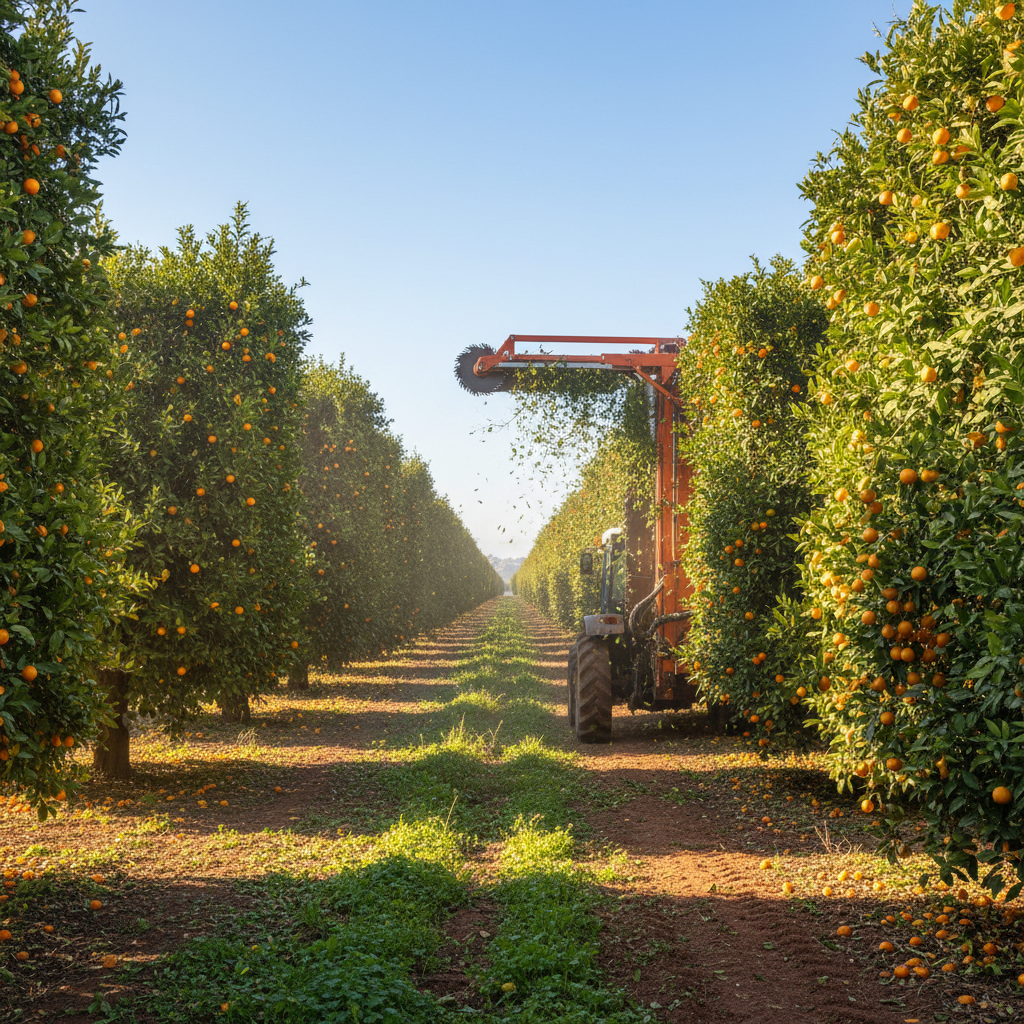
Hedging — Row Width Management
Hedging is the foundational row-management service in a citrus grove. By trimming the sides of tree rows on a regular basis, hedging maintains the row spacing that commercial grove operations depend on. As trees mature, their canopies naturally expand. Without regular hedging, row middles narrow and can become too tight for equipment to pass through effectively. Regular hedging prevents this problem and maintains the grove's operational infrastructure.
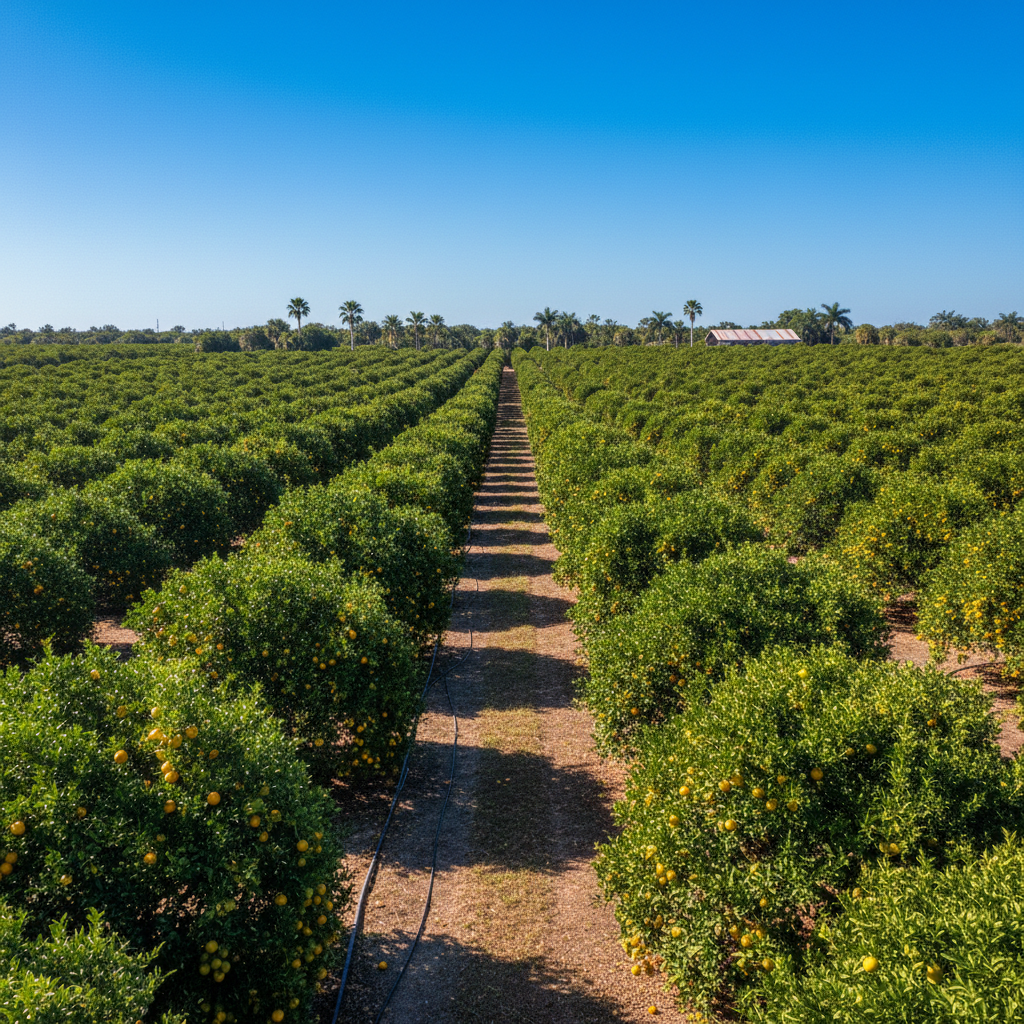
Topping — Height Management
Topping addresses the vertical dimension of the grove. Citrus trees that grow very tall create operational challenges — equipment may have height restrictions, aerial spray applications require adequate clearance above the canopy, and tall trees can be more difficult to manage. Topping reduces canopy height to levels that support the operational requirements of the grove. The appropriate height depends on the grove's equipment, spray program, and operational needs.
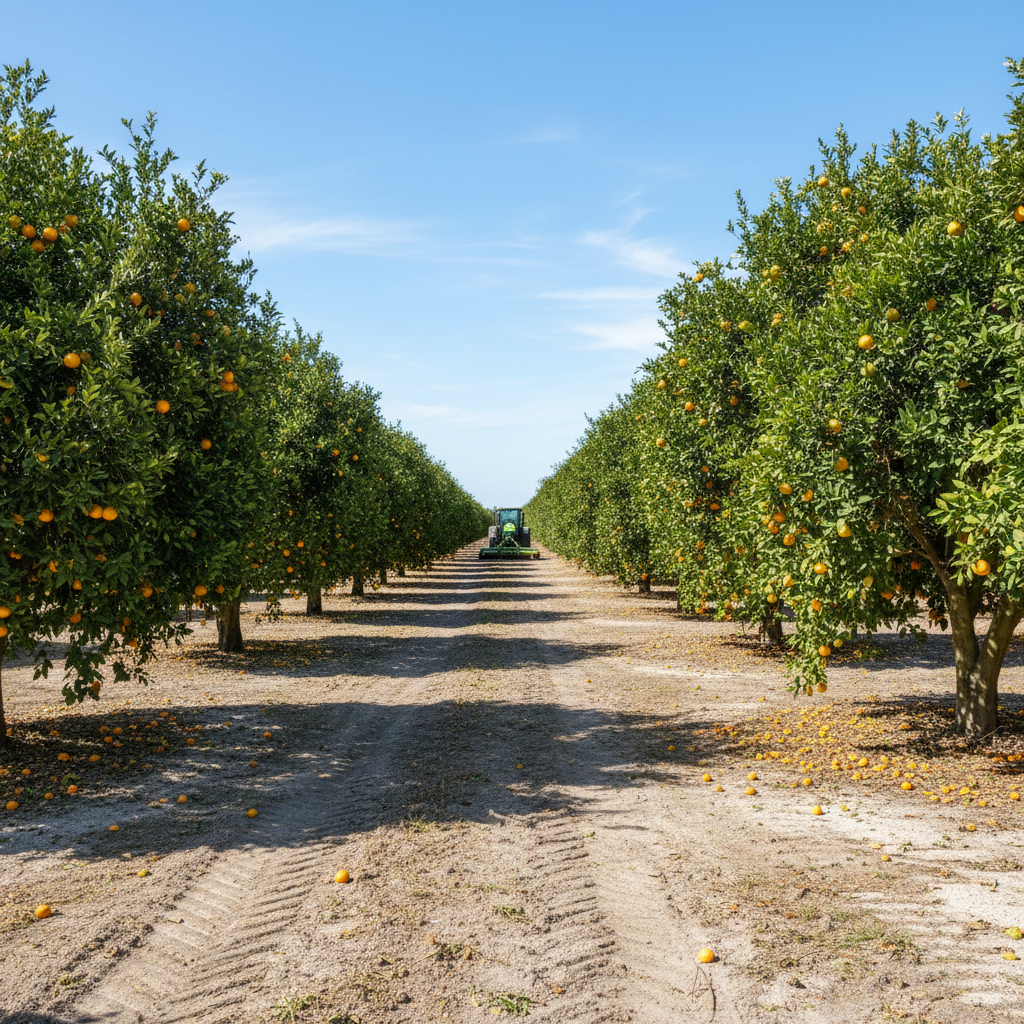
Skirting — Ground Clearance
Skirting manages the lower portion of the tree canopy by removing branches below a certain height. This creates a clear zone between the ground and the bottom of the canopy. Ground clearance from skirting facilitates equipment movement beneath the trees, reduces branch contact with irrigation lines and equipment, and supports airflow at the base of the canopy. Skirting is typically performed as part of a regular grove maintenance schedule and is often coordinated with hedging operations.
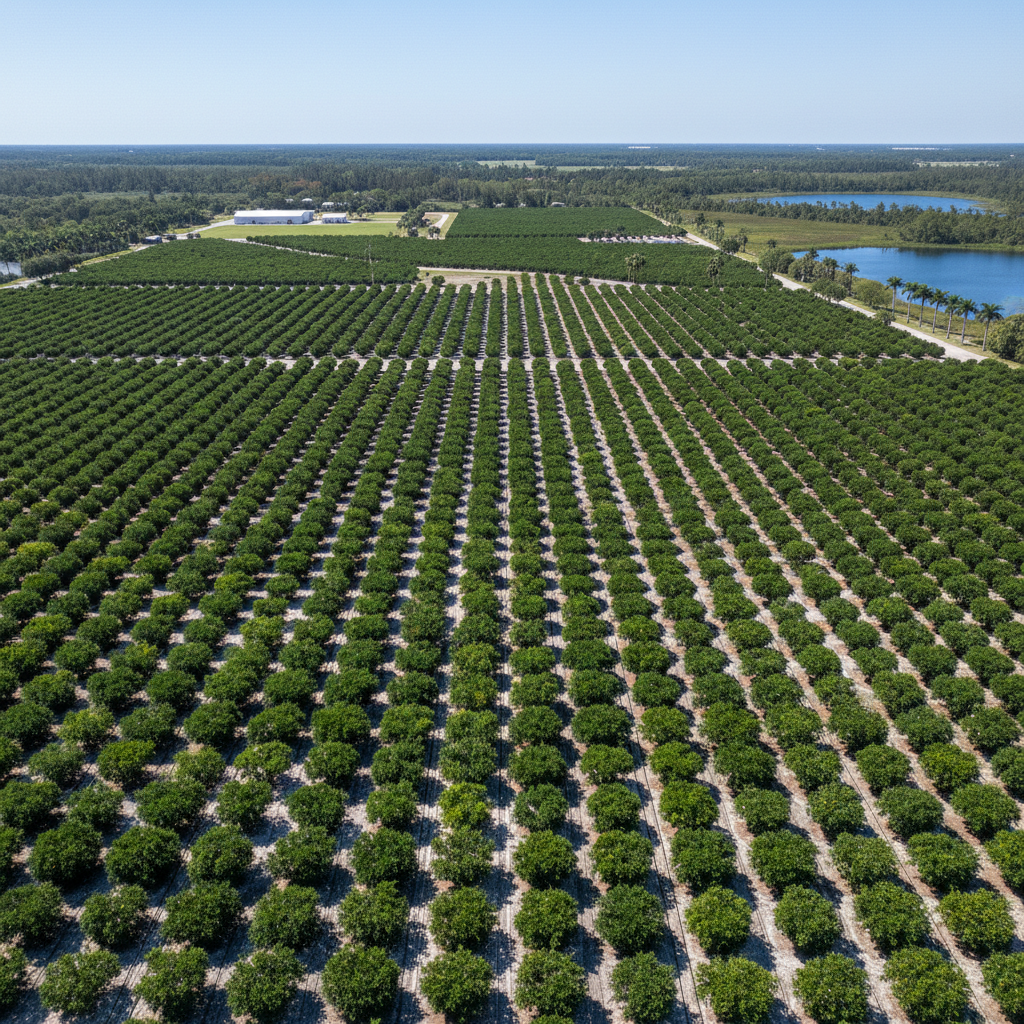
Grove Maintenance — Ongoing Program
Individual grove services are most effective when they are part of a coordinated, ongoing maintenance program. A grove maintenance program brings together hedging, topping, skirting, and other grove care activities in a schedule that aligns with the operational cycle of the grove. Regular maintenance is more efficient than deferred catch-up work — it keeps the grove in a consistently managed condition and prevents the accumulation of maintenance deficits that become more costly and difficult to address over time.
Grove Services Through the Year
Citrus grove maintenance needs vary by season and by grove. The following provides a general overview of how grove service activities typically align with Florida's citrus production calendar. Specific timing depends on your grove's variety, location, and operational requirements.
- Post-harvest grove assessment
- Hedging to restore row organization
- Skirting for seasonal ground clearance
- Canopy evaluation and planning
Spring maintenance prepares the grove for the growing season ahead.
- Canopy monitoring and assessment
- Selective maintenance as needed
- Access maintenance for spray operations
- Planning for fall/winter service schedule
Summer heat and growth patterns may affect scheduling. We work around grove operational needs.
- Pre-harvest grove maintenance
- Hedging and topping as needed
- Equipment access preparation
- Coordination with harvest schedule
Fall maintenance timing is coordinated with the grove's harvest schedule and operational requirements.
- Harvest season grove support
- Post-harvest assessment and planning
- Dormant season maintenance opportunities
- Annual grove service program review
Winter is peak harvest season for many Florida citrus varieties. We coordinate around harvest operations.
Note: The timing of grove maintenance services depends on many grove-specific factors including tree variety, production cycle, grove location, and operational requirements. Contact Florida Grove Hedgers to discuss the specific timing needs of your grove.
Discuss Your Grove's Service Needs
Contact Florida Grove Hedgers to talk through your grove's specific conditions and develop a practical service plan for your citrus operation.
Florida Grove Hedgers, Inc. · 1800 State Road 70 W · Lake Placid, FL 33852
info@grovehedgers.com